Investing in your living space is one of the most exciting journeys a homeowner can take. Beyond the immediate joy of a fresh design, thoughtful property improvements can dramatically transform how you experience your daily living environment while serving as a powerful engine for long-term equity growth.
However, not all home improvements yield the same financial rewards. Focusing on smart home renovations for long term value ensures that every dollar spent actively protects your initial investment, reduces future maintenance headaches, and maximizes your potential resale profits down the road.
Choosing Home Upgrades That Add Lasting Value
Before diving into high-end finishes or interior decorating trends, smart homeowners step back to evaluate the foundation of their property. True long-term value comes from striking a balance between structural health, everyday utility, and enduring appeal.
Taking a systematic approach prevents costly mistakes later on. Renovation expert Bob Vila emphasizes this priority, noting that “investing in structural soundness and energy efficiency always beats decorative trends when it comes to preserving equity.”
Fixing Structural Problems Before Cosmetic Changes
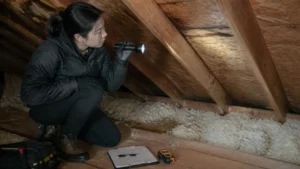
It can be tempting to prioritize a sleek modern kitchen over an aging roof or foundation crack, but cosmetic upgrades quickly lose value if underlying issues remain unaddressed. Water damage, compromised framing, and outdated electrical systems can destroy new drywall and cabinetry in a heartbeat. Resolving core structural vulnerabilities first protects your home’s foundation and prevents exponential repair costs later.
Improving Comfort With Practical Home Renovations
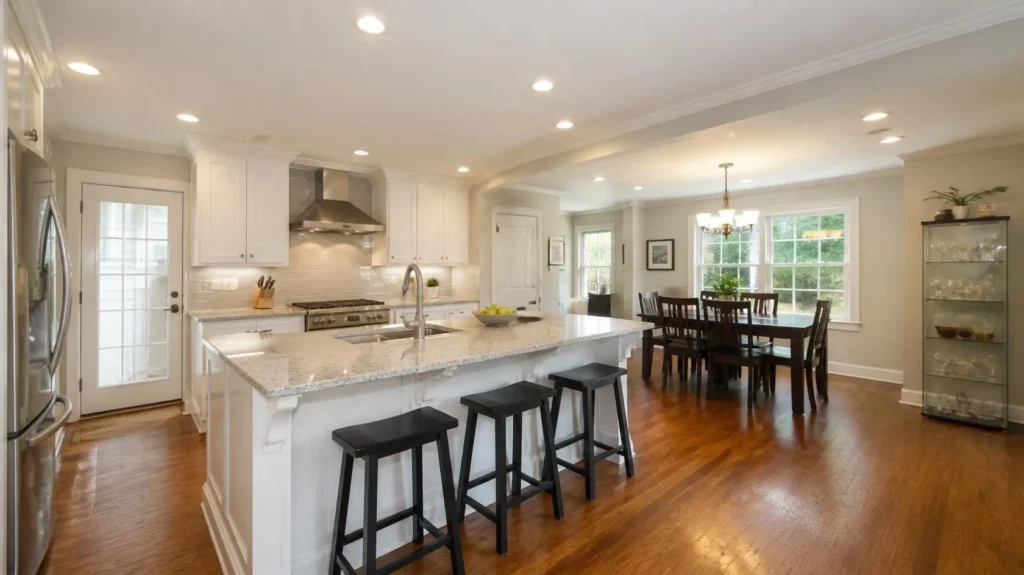
Once structural integrity is secured, turn your attention to functional daily comfort. Upgrading high-traffic areas with durable flooring, open layouts, and modernized kitchen or bathroom fixtures improves how your home feels right now. Functional layouts that enhance flow and natural lighting consistently retain high appeal for both residents and future potential buyers.
Prioritizing Repairs for Long-Term Home Investment Value
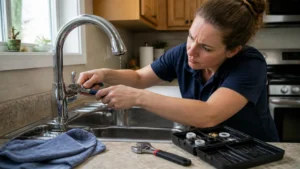
Maintenance tasks might not feel like exciting upgrades, but they act as essential defense mechanisms for your equity. Replacing old plumbing pipes, upgrading outdated breaker panels, and installing fresh exterior cladding safeguard the building envelope. Keeping your home’s baseline mechanics in peak condition eliminates buyer hesitation when it comes time for an appraisal.
Property Upgrade Planning on a Limited Budget
You do not need an unlimited budget to make high-impact upgrades to your property. Through strategic Property Upgrade Planning, you can systematically transform your living space without overextending your personal finances.
By focusing on incremental high-impact updates, you can steadily increase property equity while keeping out-of-pocket costs completely manageable.
Ranking Repairs by Cost and Urgency
Start by categorizing your planned projects into immediate necessities, moderate enhancements, and future wishlist items. Urgent fixes,such as a leaking roof or failing HVAC unit,must always take top priority over stylistic choices. Grouping smaller projects together can also help minimize labor costs and contractor site fees.
Avoiding Upgrades That Exceed Local Market Value
Over-improving a home beyond the standard pricing of your immediate neighborhood rarely yields a full return on investment. Installing ultra-luxury materials in a middle-market area often creates an upper limit on what buyers are willing to pay. Researching comparable local sales helps ensure your investment matches neighborhood standards.
Budgeting for Essential Home Improvements
Creating a realistic financial plan means accounting for unexpected surprises that arise during construction. Allocate a contingency reserve of 10% to 20% beyond estimated project costs to cover hidden repairs. Working with detailed, fixed-price contracts further protects your budget from sudden scope creep.
Evaluating Long-Term Benefits of Home Upgrades
Measuring the true return on investment requires looking beyond initial construction costs. Long-term property benefits are measured in operational savings, reduced wear-and-tear, and broad market appeal.
Improving Energy Efficiency and Durability
Modern upgrades that boost energy efficiency pay immediate dividends through lower monthly utility bills. Installing high-performance insulation, double-pane windows, and high-efficiency heat pumps significantly cuts energy consumption while keeping indoor temperatures consistent year-round. Selecting durable materials, like fiber-cement siding or quartz countertops, ensures your upgrades withstand daily use.
Comparing Renovation Costs With Potential Returns
Evaluating potential returns involves weighing upfront expenses against projected equity gains and ongoing savings. Real estate professional Barbara Corcoran highlights this dynamic, explaining that “kitchens and bathrooms still offer the best return on investment, but simple curb appeal upgrades often sell the home faster.” Analyzing these ratios allows you to direct capital toward high-yield projects.
Matching Upgrades to Buyer Preferences
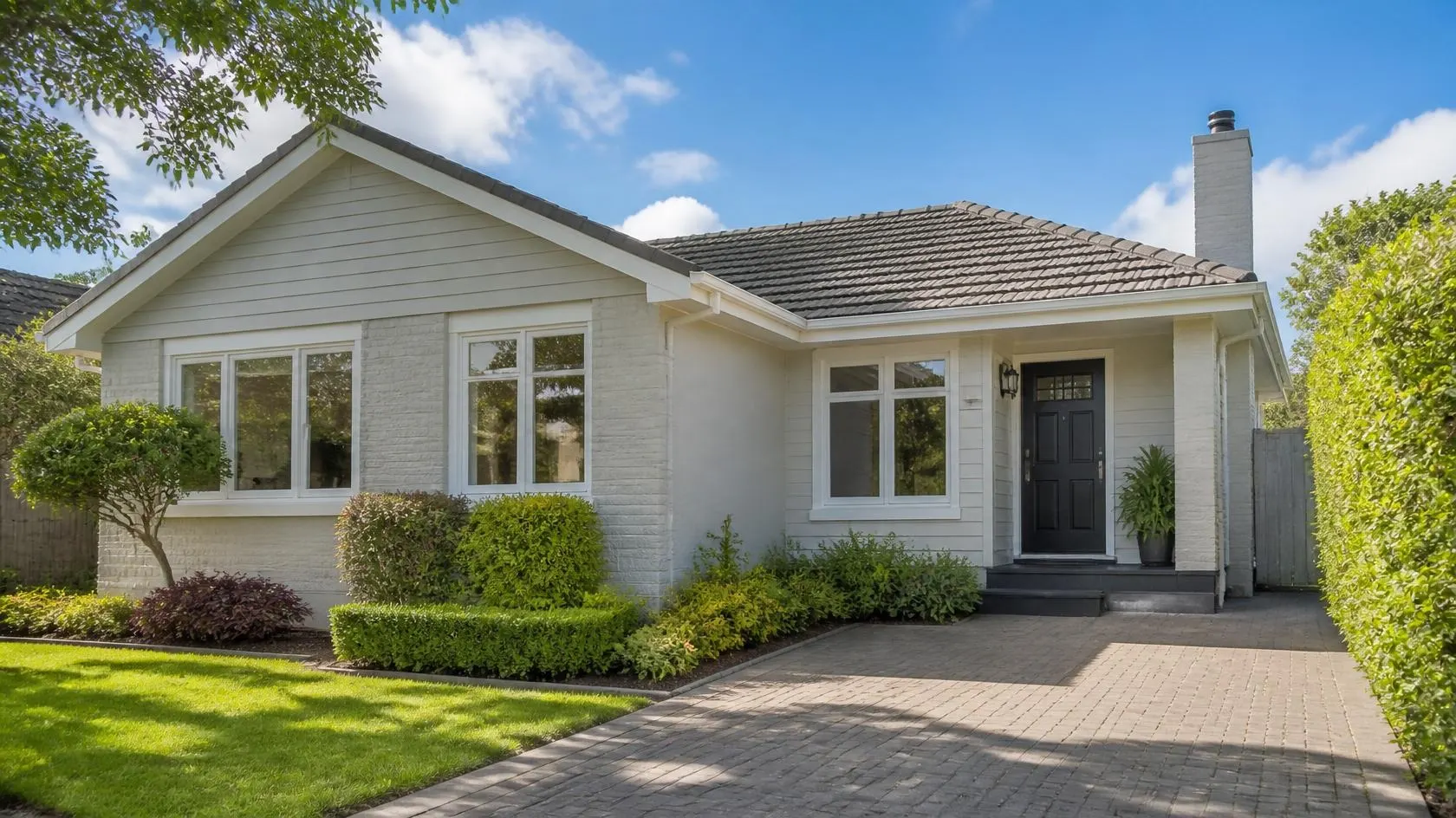
Designing for long-term equity means keeping prospective buyers in mind, even if you do not plan to sell immediately. Neutral color palettes, functional storage solutions, and low-maintenance landscaping appeal to a wide array of demographics. Timeless features consistently outperform transient design trends in resale value.
Start Planning Your Next Valuable Home Upgrade
Building lasting value in your home is a continuous, rewarding process that pays off in both immediate comfort and future wealth. By prioritizing critical repairs, sticking to a well-structured budget, and selecting timeless, energy-efficient enhancements, you ensure that every project contributes directly to your financial security. Take the first step today by assessing your home’s immediate needs and building a practical plan tailored to your long-term goals.
Apakah Anda ingin saya menyesuaikan lagi gaya bahasa atau menambahkan detail tertentu pada salah satu bagian?