Electrical cables often run through hidden spaces in buildings, making them difficult to inspect regularly. In busy urban areas, rodents can enter through small openings, nest near wiring, and damage electrical systems without being noticed until problems appear.
Rodent Wiring Damage can affect homes, offices, shops, and shared buildings. Chewed insulation may expose electrical conductors, interrupt power, or create a potential fire hazard. Understanding the warning signs and prevention methods helps property owners respond before the damage spreads.
Why Rodents Target Electrical Cables
Rodents such as rats and mice constantly gnaw on materials to help wear down their continuously growing incisors. Electrical cables may become targets when they cross common rodent routes or are located near nesting areas.
Urban environments provide food, shelter, and plenty of hiding places. Adam Wilkins, managing director of LightingLegends, explains, “Rats seem to like chewing on electrical wires, which can be a real nuisance.” His observation highlights why cable protection and rodent control are important parts of building maintenance.
Common Signs of Rodent Wiring Damage
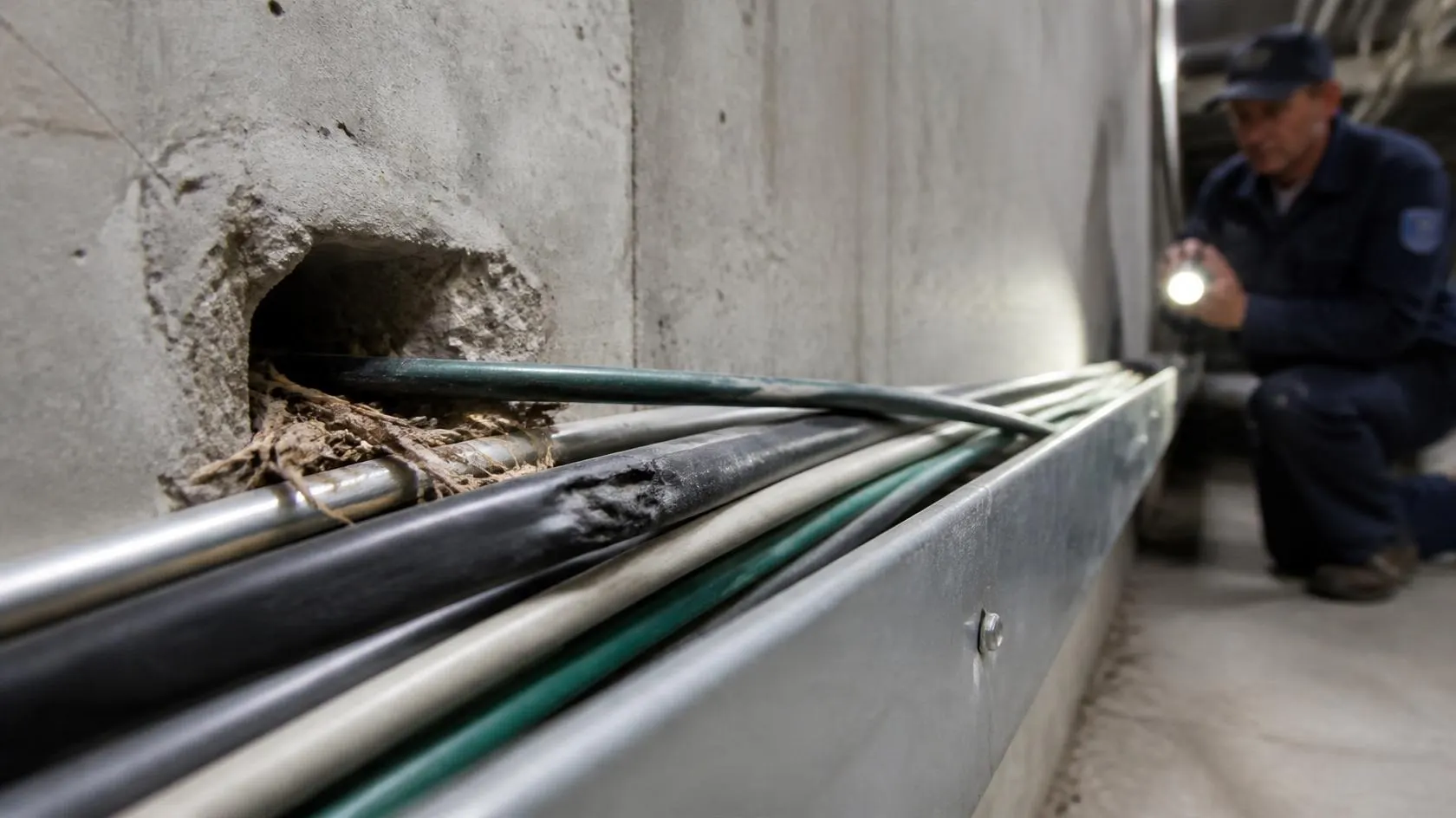
Look for gnaw marks on accessible cables, droppings near electrical routes, nesting materials, or scratching sounds inside walls and ceilings. Flickering lights and unexplained power interruptions may also indicate electrical problems, although they can have other causes. Never touch suspected damaged wiring to investigate it.
Urban Areas That Attract Rodents
Garbage storage areas, restaurants, warehouses, basements, and buildings with uncovered waste containers can attract rodents. Cluttered storage rooms and poorly maintained drains may also provide shelter or access. Shared walls and service corridors allow rodents to move between neighboring properties.
How Rodents Reach Hidden Cables
Rodents can enter through gaps around pipes, damaged vents, roof openings, and poorly sealed doors. Once inside, they may travel through wall cavities, ceiling voids, crawl spaces, and utility ducts. Small openings around service penetrations should be sealed with suitable materials that resist gnawing.
How Damaged Wiring Creates Electrical Risks
Damaged insulation can expose conductors, increasing the risk of electric shock, short circuits, overheating, and electrical fires. Even when equipment continues to operate, that does not mean the wiring is safe.
Effective Electrical Hazard Prevention means recognizing warning signs, avoiding contact with damaged cables, and arranging professional inspections. Do not assume that a tripped breaker or a functioning outlet tells the whole story, hidden damage may require specialized testing.
Warning Signs of Electrical Hazards
Watch for burning smells, unusual buzzing, sparks, warm outlets, repeated breaker trips, or sudden electrical failures. These symptoms can have several causes, but they should never be ignored. If smoke or fire appears, leave the affected area and contact emergency services.
When to Stop Using Damaged Circuits
If you see chewed insulation or exposed wires, keep people away and stop using the affected equipment. Switch off the relevant circuit only if you can do so safely without approaching damaged wiring. Contact a qualified electrician to assess the problem. Never handle exposed conductors or attempt an improvised repair.
Risks of Ignoring Damaged Cables
Leaving damaged wiring untreated can allow deterioration to continue and create risks for occupants and property. Rodents may also damage nearby cables, so one visible problem does not necessarily indicate the full extent of the damage. Professional inspection can identify affected sections and determine whether repair or replacement is needed.
Practical Ways to Protect Urban Wiring
Protecting electrical systems requires two complementary steps, reducing rodents’ access to cables and making the building less attractive to pests. Treating only one issue may leave the other unresolved.
Choose protective measures according to the building’s wiring arrangement, environmental conditions, and local electrical requirements. Any changes to permanent electrical installations should be assessed and completed by qualified professionals.
Choosing Suitable Cable Protection
Conduit, metal cable guards, and other approved protective enclosures can help shield wiring from gnawing. The correct option depends on the cable type, location, and installation requirements. Ask an electrician to select and install suitable protection, particularly around exposed or vulnerable cable routes.
Keeping Rodents Away From Buildings
Store food and waste in secure containers, clean spills promptly, and remove clutter that could provide nesting sites. Seal entry gaps using rodent-resistant materials appropriate for each location. For persistent infestations, consult a pest-control professional and coordinate treatment with any necessary electrical repairs.
Checking Cables for Early Damage
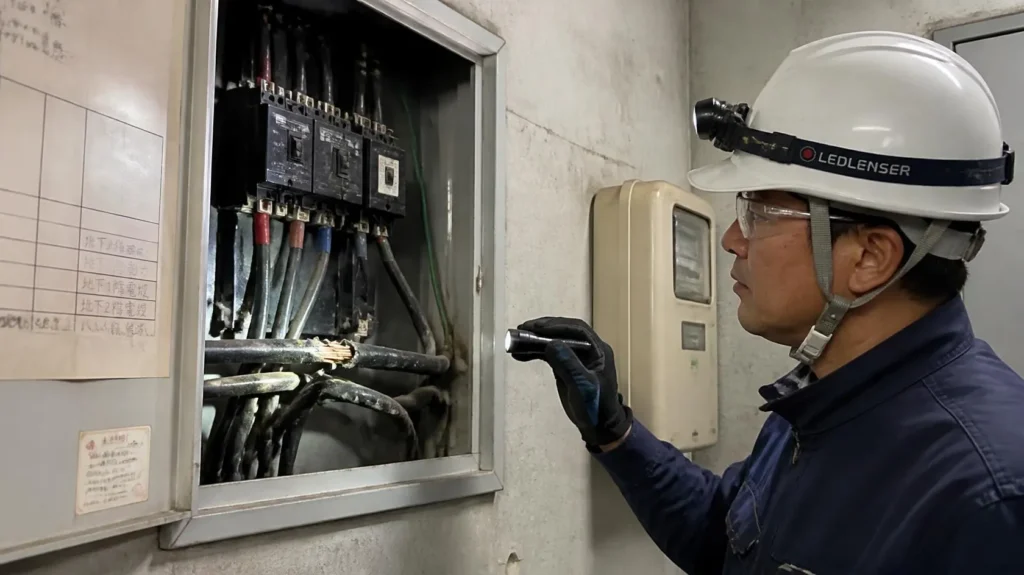
Arrange regular inspections of accessible cable routes, especially in basements, utility rooms, ceiling spaces, and storage areas where rodents may travel. Look for gnaw marks and signs of pest activity without touching wiring. Kara Gammell, a home insurance expert at MoneySuperMarket, advises, “Where possible, keep cables off the ground, check them regularly for signs of gnawing, move any electrical appliances indoors overnight and replace any damaged wiring rather than attempting to cover it up.”
Protect Your Wiring Before Damage Spreads
Rodent damage to urban wiring can begin unnoticed, but early action helps limit electrical risks and repair costs. Protect cables, remove rodent attractants, seal entry points, and respond promptly to warning signs.
Inspect accessible areas of your property and arrange professional help if you suspect damage. Combining pest prevention with proper electrical maintenance is a practical way to protect your building and the people who use it.