Buying a home is an exciting step, but hidden defects can turn a promising property into an expensive project. Cracked walls, damp ceilings, faulty wiring, and drainage problems may not seem serious at first, yet they can affect your safety, comfort, and future repair budget.
A thorough Yangebup Home Inspection helps buyers identify potential problems before making a final decision. By checking the property’s visible features and essential systems, you can better understand its condition, ask informed questions, and decide whether additional professional inspections are necessary.
Checking Visible Issues During a Home Inspection
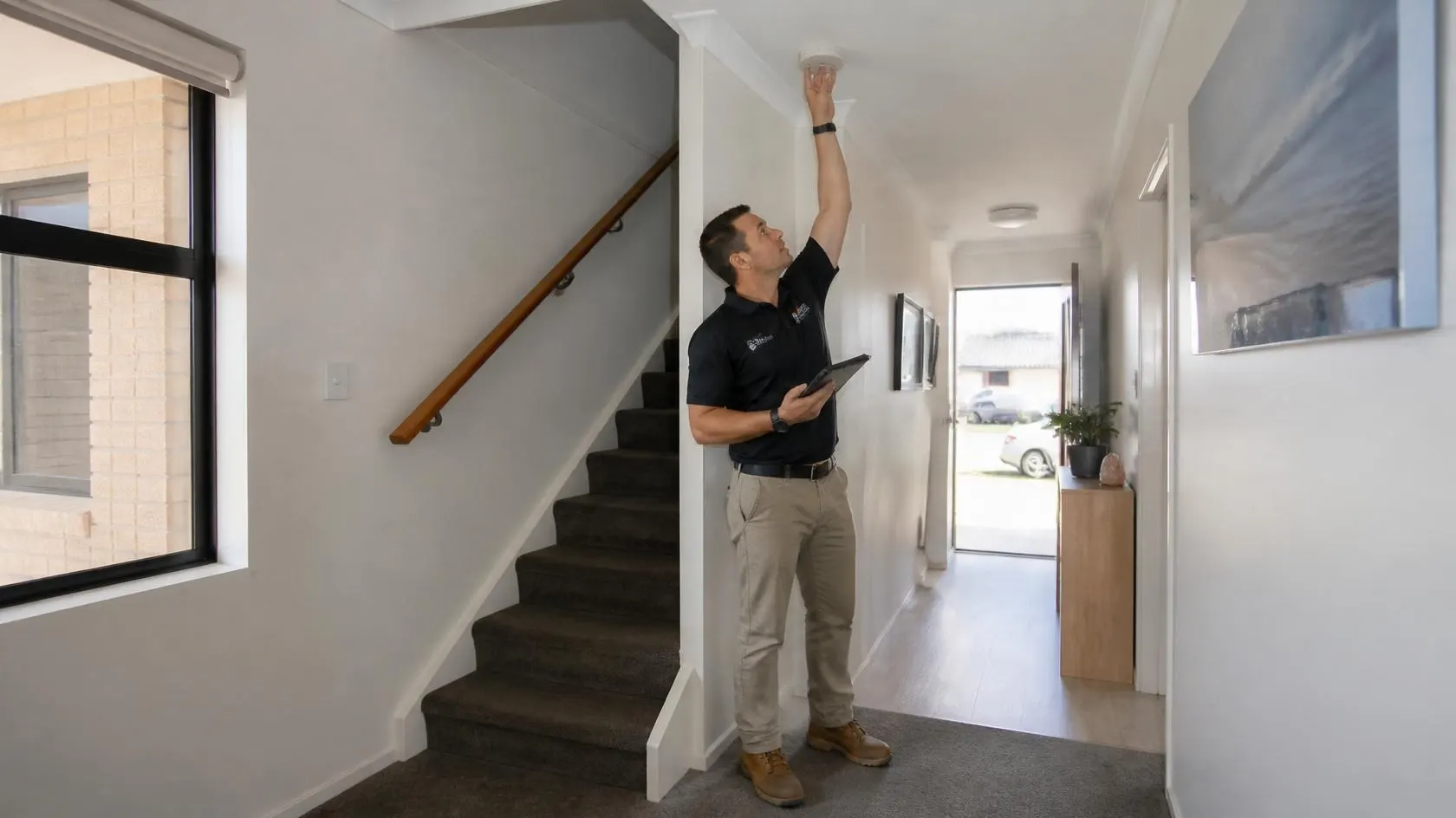
Start by walking through the property and observing areas that show signs of wear or damage. Look at walls, ceilings, windows, doors, and floors under good lighting, paying attention to changes that might indicate a deeper problem.
Not every cosmetic defect signals a major concern. However, unusual cracks, persistent dampness, and uneven surfaces deserve closer attention, especially when several warning signs appear in the same area.
Identifying Cracks in Walls and Ceilings
Small hairline cracks can develop as building materials naturally settle. Wider cracks, cracks that continue to grow, or diagonal cracks around doors and windows may require further assessment. Check whether doors stick or windows become difficult to open, as these issues can sometimes accompany building movement.
Record the location and approximate size of each crack. If you notice significant changes or several related symptoms, arrange an assessment by a qualified building professional rather than assuming the damage is harmless.
Spotting Signs of Moisture Damage
Water stains, peeling paint, bubbling plaster, musty smells, and swollen skirting boards can indicate moisture problems. Inspect bathrooms, kitchens, laundry areas, ceilings, and walls near plumbing fixtures for visible warning signs.
Moisture can result from leaking pipes, roof defects, poor ventilation, or water entering from outside. Finding the likely source is important because covering a stain with fresh paint will not solve the underlying problem.
Inspecting Windows, Doors, and Floors
Open and close windows and doors to check whether they operate smoothly. Look for damaged seals, broken locks, gaps, and signs of water entering around frames. These defects can affect security, weather protection, and energy efficiency.
Walk carefully across accessible floors and notice any unusual movement, soft spots, or uneven surfaces. Document your observations so they can be reviewed alongside other inspection findings.
Assessing Structural and Essential Home Features
Visible surfaces provide useful clues, but a safe property also depends on components that may be harder to inspect. Roof coverings, drainage, plumbing, and electrical systems can develop problems that are not obvious during a quick walkthrough.
A careful review helps distinguish routine maintenance from concerns that may require urgent attention. Remember that a visual inspection has limitations and does not replace specialist testing or a comprehensive building assessment.
Reviewing Roof and Drainage Conditions
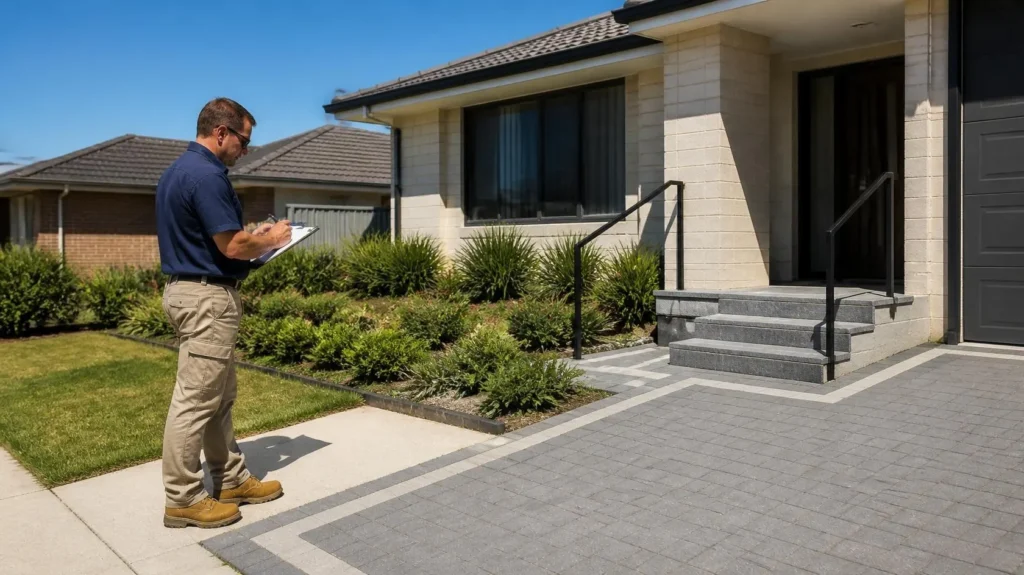
Look for missing or damaged roof tiles, visible sagging, deteriorated flashing, and signs of water stains inside the home. From the ground, check whether gutters appear blocked, detached, or overflowing, and observe how rainwater is directed away from the building.
Poor drainage can contribute to dampness, erosion, and foundation concerns. If roof access is unsafe or defects are difficult to evaluate, ask a qualified inspector or roofing professional to examine the affected areas.
Checking Plumbing and Electrical Systems
Check accessible taps, sinks, toilets, and exposed pipes for leaks, corrosion, or unusual water pressure. Look beneath sinks for damp cabinets and inspect visible plumbing connections for signs of previous repairs.
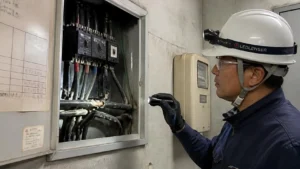
Electrical concerns require extra caution. Look for damaged outlets, exposed wiring, scorch marks, or loose fittings without removing covers or touching unsafe components. A licensed electrician should investigate suspected electrical faults and carry out any necessary testing.
Identifying Signs of Structural Damage
Structural warning signs may include substantial cracks, noticeably sloping floors, displaced masonry, sagging rooflines, or doors that suddenly stop fitting their frames. These symptoms do not automatically confirm structural failure, but they should not be ignored.
As building scientist Joseph Lstiburek has explained in his work on building enclosure performance, managing water is fundamental to protecting buildings. This principle makes moisture pathways, drainage, and water-related deterioration important parts of a home safety review. When serious structural concerns appear, seek an assessment from an appropriately qualified structural engineer or building professional.
Property Condition Assessment Before Buying
A Property Condition Assessment helps buyers organise inspection findings and understand which issues could affect the purchase. Rather than focusing only on appearance, consider safety, maintenance requirements, possible repair expenses, and the need for specialist advice.
Use the findings to prepare questions for the seller and determine whether further checks are needed before contracts become unconditional. The right next step depends on the defect, the property’s age, and the conditions of your purchase agreement.
Documenting Defects Found During Inspection
Create a written list of visible defects and record where each issue occurs. Take clear photographs when permitted, include brief descriptions, and note whether the problem appears minor, recurring, or potentially urgent.
Keep inspection notes together so you can compare findings and request clarification. Good documentation also makes it easier to discuss repairs with contractors and avoid overlooking important details during negotiations.
Estimating Repair Costs Before Purchase
Request written quotes from qualified tradespeople for significant problems. Repair costs can vary depending on accessibility, material availability, the extent of damage, and whether hidden issues are discovered after work begins.
Separate immediate safety repairs from routine maintenance and optional improvements. Allow room in your budget for unexpected expenses, and avoid relying on rough estimates when major structural, roofing, plumbing, or electrical work may be required.
Arranging Further Professional Inspections
Some defects need expertise beyond a general building inspection. Depending on the findings, you may need a structural engineer, licensed electrician, plumber, pest inspector, or roofing specialist.
Building inspector and author of The Home Inspection Book, “Marcia Darvin, has written for homebuyers about understanding inspection findings and making informed property decisions.” The practical lesson is to treat an inspection report as a decision-making tool, not simply a checklist, clarify serious findings and obtain specialist advice where necessary.
Plan Your Yangebup Home Inspection Today
A careful home inspection can reveal warning signs, clarify maintenance needs, and help you make a more informed buying decision. Although no inspection can guarantee that every hidden defect will be found, documenting concerns and seeking expert advice can reduce avoidable surprises.
Planning to buy a property in Yangebup? Arrange a qualified home inspection, review the findings carefully, and address significant safety concerns before committing to the purchase.