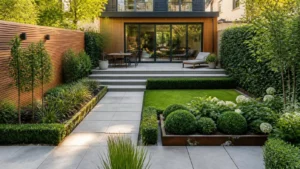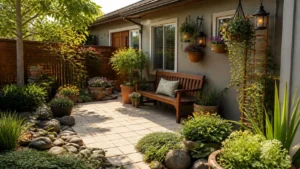
A small garden can still feel lush, colorful, and inviting when every corner has a purpose. The secret is choosing plants that fit your available space instead of filling it with varieties that quickly become overcrowded.
Small Garden Plants can transform a tiny backyard, patio, or narrow garden bed into a refreshing outdoor retreat. By considering plant size, sunlight, soil, and arrangement, you can create a beautiful garden that stays manageable throughout the growing season.
Assessing Space for Small Garden Plants
Before buying seeds or visiting a nursery, take a closer look at your garden. Understanding the available space helps you avoid overcrowding and choose plants that can grow comfortably.
Start by observing how you use the area. Leave enough room for walking, watering, pruning, and enjoying your garden without constantly moving pots or stepping around foliage.
Measuring Available Garden Space
Measure the length and width of your planting area, including corners that could accommodate small pots. Remember to consider the mature size of each plant, not just how it looks in its nursery container. This simple step helps prevent overcrowding as your garden develops.
Checking Sunlight and Soil Conditions
Observe how much direct sunlight your garden receives throughout the day. Some plants, such as lavender, prefer sunny locations, while ferns generally perform better in shade. Check soil drainage and moisture, too, because the right growing conditions help plants establish healthy roots.
Garden designer Beth Chatto emphasized the importance of matching plants to their surroundings through the principle of “right plant, right place.” Her approach encourages gardeners to work with existing conditions rather than forcing unsuitable plants to grow there.
Identifying Suitable Planting Areas
Look beyond traditional garden beds. Windowsills, balconies, wall-mounted planters, and sunny corners can all support plant growth. Identify areas that receive suitable light and remain accessible for regular maintenance, then decide which spaces work best for containers or direct planting.
Choosing Plants for Small Garden Designs
Once you understand your garden’s conditions, focus on plants that offer beauty without demanding too much room. A thoughtful selection can provide different textures, seasonal colors, and greenery without making the area feel cramped.
Choose varieties according to their mature height, spread, watering needs, and maintenance requirements. Combining a few compatible plants often creates a more attractive result than squeezing too many different varieties into one small space.
Selecting Plants With Compact Growth
Dwarf shrubs, compact herbs, and slow-growing perennials are useful options for limited gardens. Basil, thyme, dwarf marigolds, and compact ornamental grasses can add interest without taking over nearby plants. Always check plant labels for expected growth and pruning needs before purchasing.
Combining Foliage and Flowering Plants
Mix leafy plants with flowering varieties to create visual contrast throughout the year. For example, combine ornamental foliage with small flowering plants in complementary colors. Different leaf shapes and textures can keep the garden attractive even when some flowers are not blooming.
Using Vertical Plants to Save Space
Make use of walls, fences, and sturdy trellises to grow climbing plants upward rather than outward. Natalie Ashbee, a shows editor at the Royal Horticultural Society, advises gardeners to “think in all directions – up, along, around and through.” This principle encourages creative use of vertical space, including climbers and elevated displays.
Arranging Compact Plant Varieties Effectively
Selecting suitable plants is only half the job. The way you arrange Compact Plant Varieties determines whether your garden feels organized, spacious, and visually balanced. Consider plant proportions, access, and the overall appearance before deciding where everything belongs.
Leave enough room between plants for healthy growth and airflow. A simple layout with a few focal points can look more inviting than a crowded arrangement filled with competing colors and shapes.
Grouping Plants by Height and Spread
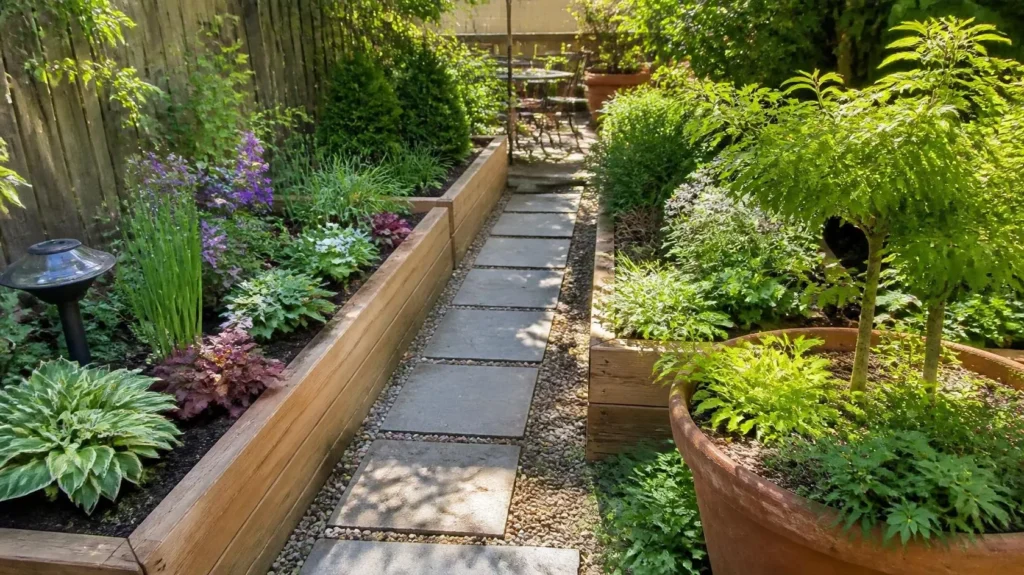
Place taller plants toward the back of a garden bed or beside a wall, with shorter varieties near the front. Check the expected spread of each plant to ensure neighboring foliage does not compete for light. This layered arrangement creates depth while keeping the garden easier to maintain.
Combining Garden Beds With Containers
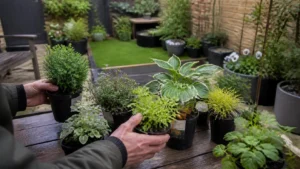
Containers provide flexibility when ground space is limited. Use pots for herbs, seasonal flowers, or plants with specific soil requirements. Group containers in different sizes, but keep pathways clear and ensure every pot has adequate drainage to prevent waterlogged roots.
Creating Balance in Small Garden Layouts
Repeat a few plant varieties or colors throughout the garden to create a consistent look. Balance dense foliage with open spaces and avoid placing all the largest plants in one corner. A clear focal point, such as an attractive pot or flowering shrub, can help the entire layout feel intentional.
Start Planning Your Small Garden Today
A successful small garden does not require dozens of plants or an elaborate design. It starts with understanding your space, selecting suitable varieties, and arranging them to support healthy growth and visual harmony.
Measure your garden, check its growing conditions, and choose a few plants that match your needs. Start small, observe how they develop, and adjust the arrangement as needed. With a little planning, your garden can become a green, welcoming space that is easy to enjoy and maintain.