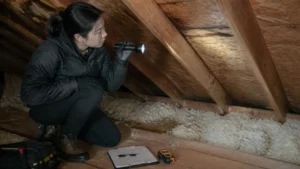
A crack in your home’s foundation can be worrying, especially when you cannot tell whether it is a minor surface issue or a sign of a bigger problem. Ignoring changes may allow moisture or structural concerns to go unnoticed.
Understanding Building Foundation Cracks helps you recognize warning signs, track changes, and decide when to seek professional advice. While some cracks develop naturally as concrete cures or a building settles, their direction, size, and movement can indicate when further investigation is needed.
Recognizing Early Foundation Crack Warning Signs
Foundation cracks can appear in concrete walls, basement surfaces, and brickwork. Some remain stable for years, while others change as soil conditions, water pressure, or structural movement affect the building.
Pay attention to nearby signs, including uneven floors, sticking doors, water seepage, or bowing walls. These symptoms can help you decide whether the issue needs professional attention.
Identifying Vertical and Horizontal Wall Cracks
Vertical cracks can occur as concrete shrinks during curing or as a building settles. However, widening cracks or those accompanied by water leaks deserve closer attention.
Horizontal cracks may indicate pressure from surrounding soil or water. Scott Zurn, P.E., founder and CEO of Level Engineering & Level Design Partners, emphasizes that “The direction, width, and behavior of a crack over time tells a story.” If you notice horizontal cracking or wall bowing, contact a qualified structural engineer.
Monitoring Changes in Crack Width
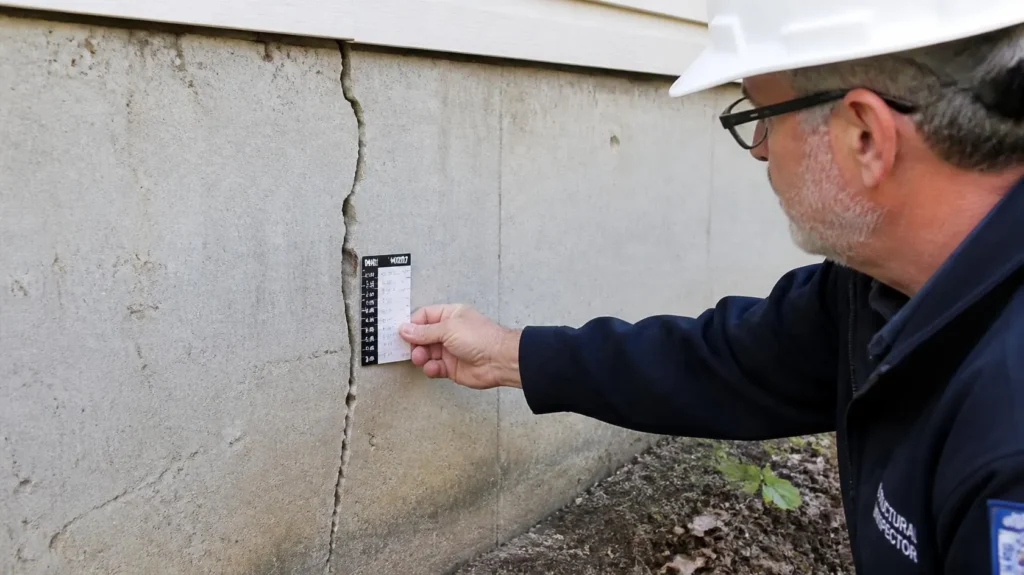
A crack that becomes wider or longer may indicate ongoing movement. Take dated photographs and record its approximate width using a ruler.
Compare your observations over time if there are no urgent warning signs. Do not wait if the crack changes rapidly, the wall appears unstable, or water enters the home.
Spotting Signs of Structural Foundation Damage
Look for stair-step cracks in brickwork, sloping floors, gaps around window frames, or doors that suddenly stick. These signs do not automatically prove foundation failure, but several appearing together may indicate movement.
Also check for recurring water intrusion or separation between walls and floors. Seek professional advice promptly if you notice substantial movement or signs of instability.
Wall Crack Inspection Before Planning Repairs
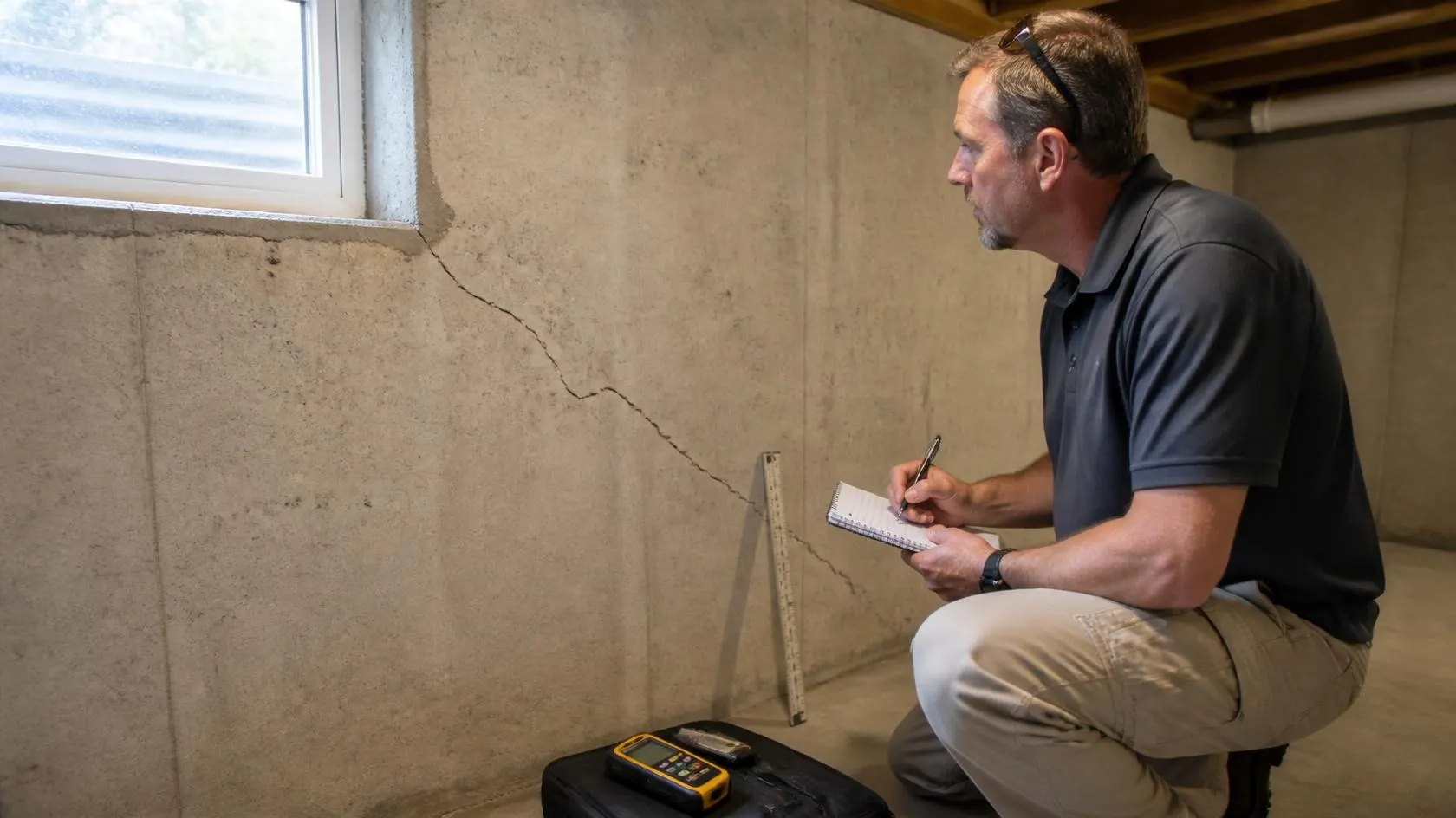
A careful Wall Crack Inspection helps you gather useful information before choosing a repair method. Record where each crack appears and whether moisture or other changes occur nearby.
Avoid filling cracks immediately just to improve their appearance. If the underlying cause remains, cosmetic repairs may fail or hide changes that help professionals identify the problem.
Recording Crack Locations and Visible Changes
Photograph each crack from a consistent angle, including a ruler for scale. Record its location, approximate size, moisture signs, and the date you first noticed it.
Check nearby surfaces for gaps, damaged paint, or uneven flooring. Keeping these details together gives an inspector a clearer picture of the problem.
Distinguishing Surface Cracks from Structural Damage
Fine cracks in paint, plaster, or concrete finishes may be cosmetic, while deeper cracks or those accompanied by movement may require investigation. Appearance alone cannot confirm the cause or severity.
Consider the overall pattern and surrounding conditions. If you are unsure whether a crack is superficial or structural, ask a qualified professional before attempting repairs.
Knowing When to Call a Foundation Specialist
Seek professional advice for horizontal cracks, widening gaps, displaced surfaces, recurring leaks, or cracks accompanied by sloping floors. A structural engineer can assess movement and recommend suitable repairs.
Ask for a written explanation of the findings. Make sure any proposed repair addresses the underlying cause instead of simply covering the visible crack.
Understanding Common Causes of Foundation Cracks
Foundation cracks can develop because of concrete shrinkage, soil movement, drainage problems, or changing moisture levels. Identifying the likely cause is essential because different problems require different solutions.
Repairs may only provide temporary relief if surrounding soil or water conditions remain unresolved. Check drainage around the home and seek professional help when the cause is uncertain.
Examining Soil Movement and Uneven Settlement
Some soils expand when wet and shrink when dry, placing changing pressure on foundations. Uneven settlement can also occur when different parts of a building move by different amounts.
Look for diagonal cracks, uneven floors, or gaps near doors and windows. A qualified professional can determine whether soil movement or settlement affects the structure.
Identifying Drainage Issues and Water Leakage
Blocked gutters, leaking pipes, and ground that slopes toward the house can direct water near the foundation. Excess moisture may contribute to soil movement, seepage, and material deterioration.
Keep gutters clear and direct downspouts away from the foundation where appropriate. If water repeatedly enters through a crack, investigate the source instead of relying only on sealant.
Assessing Seasonal Moisture Changes Around Foundations
Dry weather can cause some soils to shrink, while heavy rain may increase moisture and soil expansion. These seasonal changes can affect foundations, particularly in areas with moisture-sensitive soil.
Observe whether cracks or sticking doors become more noticeable during wet or dry seasons. Maintain consistent drainage and consult a specialist if seasonal changes coincide with worsening damage.
Protect Your Home With Foundation Checks
Regular checks can help you spot changes early and make informed repair decisions. Photograph cracks, monitor nearby symptoms, and keep gutters and drainage systems in good condition.
If a crack widens, allows water inside, or appears alongside structural movement, arrange a professional assessment. Check your foundation today and address concerning changes before they become more difficult to manage.