Renovation work should make your home safer, more comfortable, and more functional. Unfortunately, uneven flooring, peeling paint, unfinished edges, or recurring leaks can turn a promising project into a frustrating experience.
Addressing Poor Contractor Work starts with identifying the defects, reviewing your agreement, and communicating clearly with the contractor. By understanding your options and documenting the problems, you can work toward a fair resolution without rushing into unnecessary repairs or additional expenses.
Spotting Renovation Problems Early
Recognizing poor workmanship early can prevent minor defects from becoming expensive problems. Check completed areas carefully and compare the results with the original plans, agreed specifications, and expected quality standards.
Not every imperfection requires a major repair, but recurring defects and unfinished work deserve attention. Identifying the difference helps you decide what needs correction and how to approach the contractor.
Signs of Poor Workmanship at Home
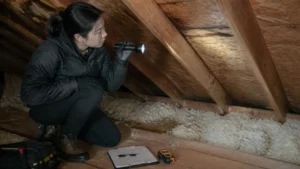
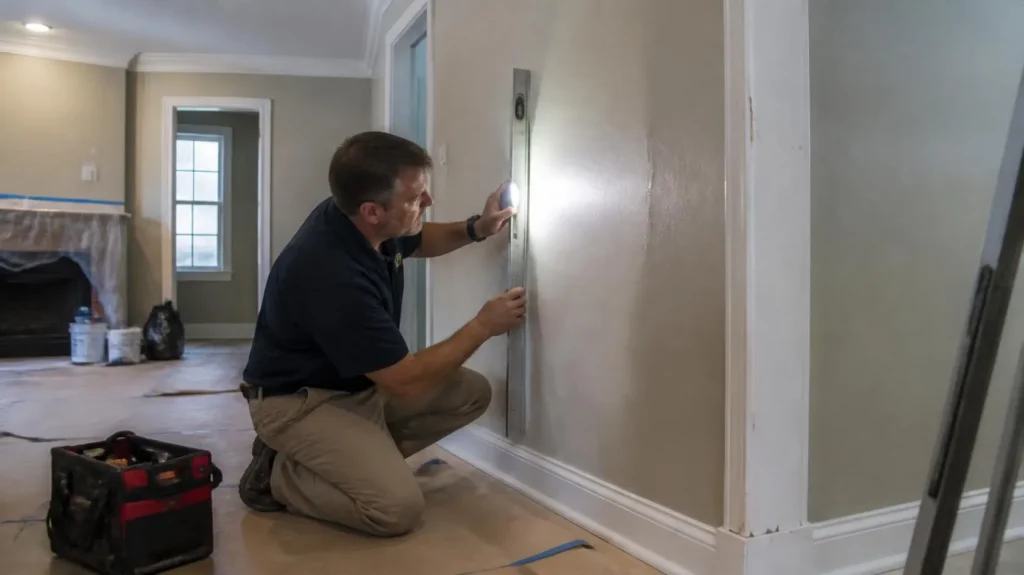
Common warning signs include crooked tiles, uneven paint, loose fixtures, gaps around trim, and doors that do not close properly. More serious issues, such as persistent leaks or unstable flooring, may indicate improper installation. Have potentially hazardous conditions assessed by a qualified professional before attempting repairs.
Reviewing the Original Work Agreement
Read your contract, estimate, and project specifications to understand what the contractor agreed to deliver. Check the materials, deadlines, workmanship standards, and warranty terms. If the completed work differs from the agreement, highlight the specific discrepancies before requesting corrections. Keep all relevant messages and payment records for reference.
Documenting Visible Damage
Take clear photographs of each defect and record when you discovered it. Include wide shots showing the location and close-ups highlighting the problem. Keep notes about previous conversations, attempted fixes, and any damage that has worsened. Organized evidence makes discussions more objective and can help if a formal dispute becomes necessary.
Discussing Repair Options With Contractors
Once you have documented the problems, contact the contractor and explain your concerns calmly. Focus on observable defects rather than personal accusations, and give the contractor a reasonable opportunity to respond.
Clear communication can prevent misunderstandings and help both parties agree on corrective work. Keep important discussions in writing so expectations, proposed solutions, and deadlines remain documented.
Explaining the Problems Clearly
Describe each defect, explain how it differs from the agreed result, and provide supporting photographs. Instead of saying the entire renovation is unacceptable, identify specific concerns such as uneven cabinets or leaking plumbing connections. This makes it easier for the contractor to investigate and propose appropriate corrections.
Setting a Reasonable Repair Schedule
Ask the contractor to provide a written schedule for inspecting and correcting the defects. Consider the severity of the problem, material availability, and the time needed to complete repairs properly. Urgent safety hazards or active leaks should receive prompt attention, while minor cosmetic issues may allow more flexibility.
Agreeing on Repair Responsibilities
Clarify who will supply materials, cover labor costs, arrange inspections, and handle damage caused during corrective work. Review any applicable warranty and local consumer protection requirements before agreeing to additional charges. If the contractor refuses to address legitimate concerns, consider seeking independent advice before hiring someone else or withholding payment.
Choosing Practical Home Repair Solutions
Not every renovation defect requires starting over. The best Home Repair Solutions address the underlying cause, restore the intended function, and provide lasting value. The right approach depends on the severity of the damage, the materials involved, and whether the original contractor will correct the work.
Before committing to another project, compare the available options and consider the long-term consequences. A quick cosmetic fix may look appealing, but it can leave the underlying problem unresolved.
Deciding Between Repair and Replacement
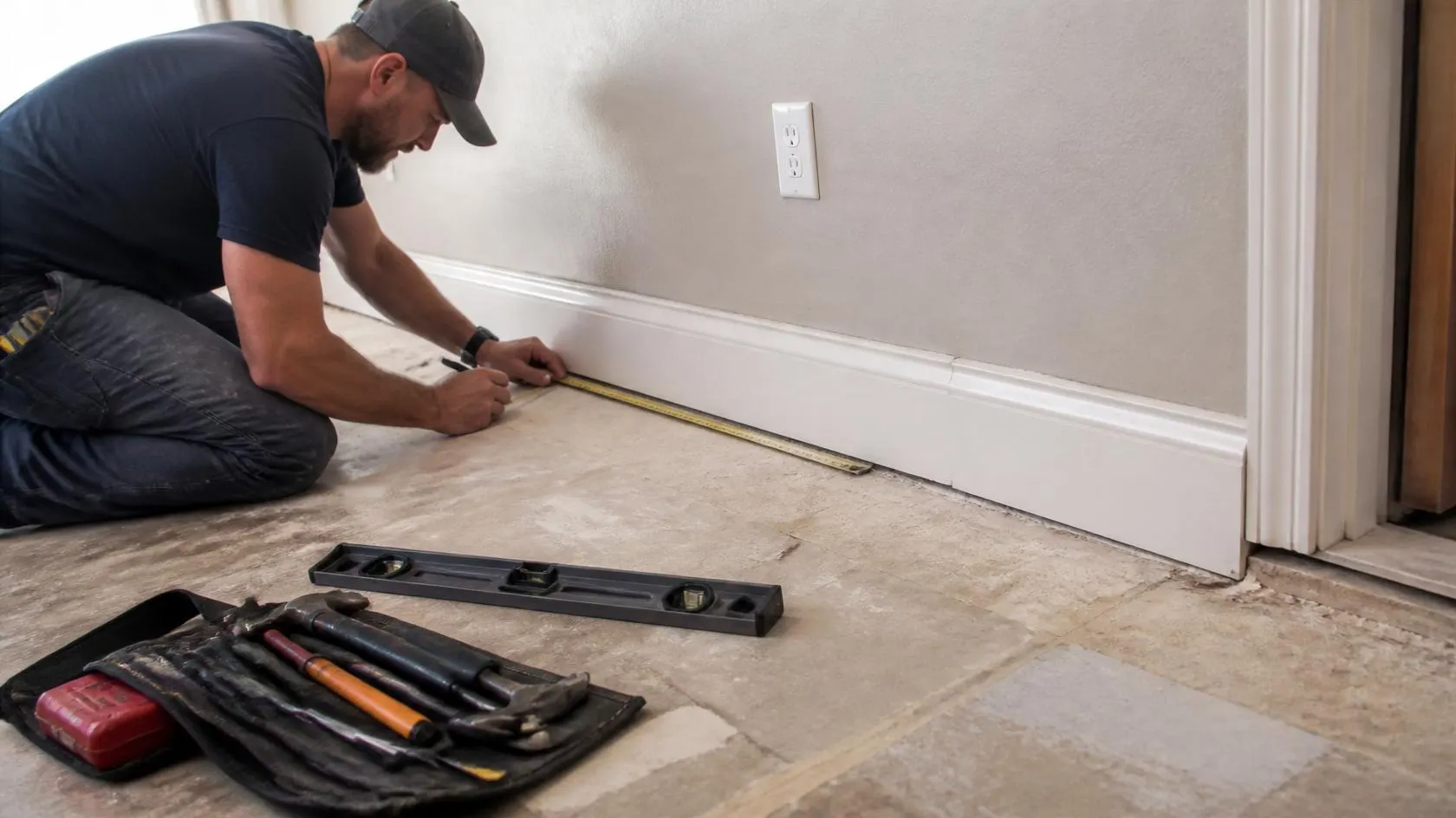
Minor scratches, small paint defects, and isolated loose fittings may be repairable without replacing entire surfaces. However, widespread water damage, failed installations, or unsafe components may require replacement. Ask a qualified professional to assess the condition and explain why the recommended approach is appropriate.
Finding a Reliable Repair Professional
If the original contractor cannot resolve the problem, seek a qualified professional with experience in the relevant trade. Verify applicable licenses, insurance, references, and examples of similar work. Before hiring, explain the existing defects and request an independent assessment rather than relying solely on the previous contractor’s diagnosis.
Comparing Repair Costs and Quality
Request itemized estimates that separate labor, materials, removal, and additional work. Compare the proposed methods and warranties, not just the total price. Renovation expert Mike Holmes expresses a principle that applies directly to correcting poor workmanship, “If you’re going to do something, do it right the first time.” His well-known motto reinforces the value of durable repairs over temporary fixes.
Make Your Home Repairs Count
Poor workmanship does not have to become a permanent problem. By documenting defects, reviewing your agreement, communicating clearly, and comparing repair options, you can make informed decisions about restoring your home.
Ready to put things right? Start by photographing the defects and contacting your contractor with a clear list of concerns. If a resolution is not possible, seek an independent assessment and choose a qualified professional who prioritizes safety, quality, and lasting results.